Vacuum Excavation for Rail & Trackside Projects
Non-destructive digging around safety-critical rail infrastructure, planned for possessions and line-side working.
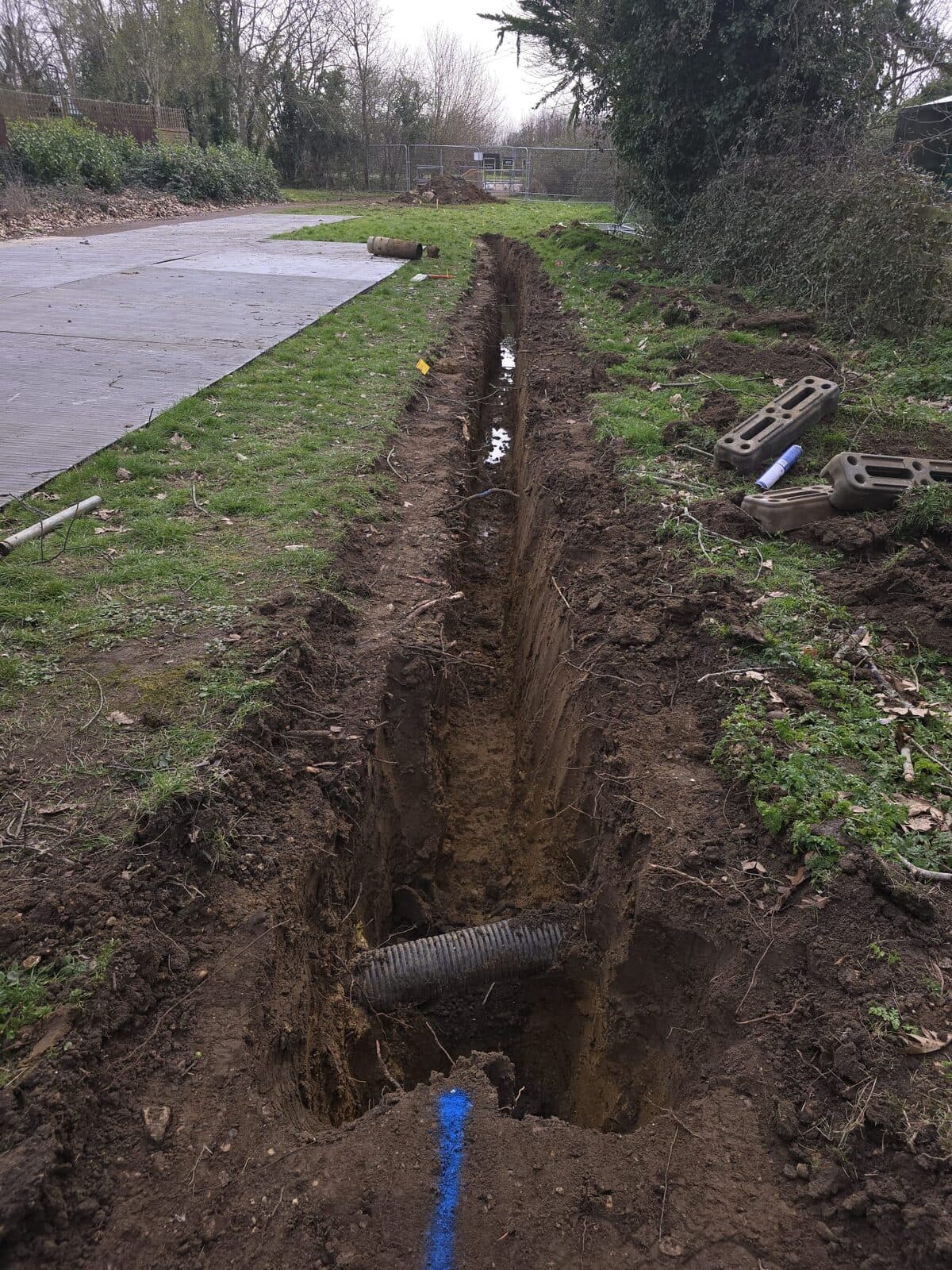
The rail environment leaves no room for error. Signalling cables, power feeds, drainage and structures sit close together in the cess and along the lineside, every asset is safety-critical, and work happens inside tightly controlled possessions and line-side working arrangements. A strike here isn't just a repair - it's a potential signalling failure, a delayed handback and a serious safety event. That's why vacuum excavation has become a trusted method for trackside work.
Suction excavation exposes cables, ducts and drainage without putting a mechanical edge anywhere near them, dramatically reducing the risk to safety-critical assets. It suits the confined, congested conditions of the lineside, and the controlled way it removes spoil means crews can work accurately around apparatus that a conventional dig simply couldn't be trusted next to.
Trackside work we support
Signalling cable exposure
Carefully exposing signalling and power cables in the cess and along the lineside without damage.
Cable route works
Excavating for troughing routes and cable pulls, clearing safely around existing services.
Drainage works
Trackside and formation drainage excavation where mechanical plant would be too high-risk.
Structures investigation
Exposing foundations and services around bridges, abutments and lineside structures.
Working in the rail environment
- Possession & line-side working
- Network Rail standards
- Safety-critical assets
- Controlled excavation
- Reduced strike risk
Planned around your possession
Time on the track is precious. We plan each excavation to make the most of the possession or access window, exposing and proving what your teams need and handing assets back safely and on time. Rail projects require specific competencies and safety protocols, and we work within the principal contractor's and Network Rail's requirements as part of the wider safe system of work. For asset location and confirmation, this pairs with our utility verification service.
Trackside works that need controlled digging?
Send us the scope, location and dates and we'll come straight back with availability and a price. You'll speak to the operator - no call centres, no subcontractors.
SSIP Registered - SMAS Worksafe Contractor
Accredited for health and safety in construction procurement.

Frequently asked questions
- Why use vacuum excavation in the rail environment?
- Rail infrastructure is safety-critical and densely serviced - signalling cables, power feeds and drainage all sit close together in the cess. Non-destructive digging lets crews expose those assets without the impact risk of mechanical excavation, which is exactly why it's favoured for trackside work.
- Can you work within a possession?
- Rail work is planned around possessions and line-side working arrangements, and around the access windows the project allows. We plan the excavation to make the most of the time on site and to hand assets back safely and on schedule.
- Do rail projects need specific competencies?
- Yes. Trackside work typically requires specific safety competencies, briefings and protocols set by the principal contractor and Network Rail. We work within those requirements as part of the project team so the excavation fits the wider safe system of work.
- Is it suitable near signalling and power cables?
- It's one of the safest options. Because nothing mechanical cuts the ground, the risk of damaging safety-critical signalling and power cables during excavation is significantly reduced compared with a conventional dig.